
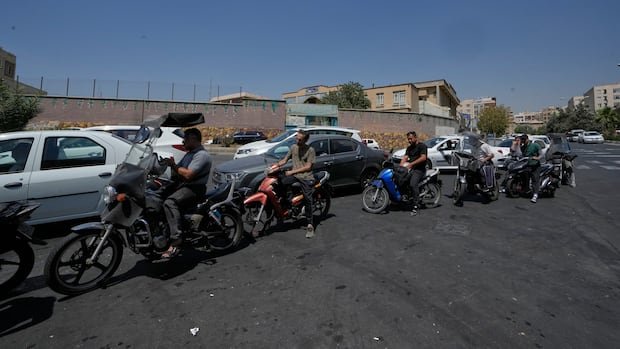

Iran has vowed to retaliate against the newly imposed U.S. sanctions designed to isolate its economy, expressing confidence that key trading partners will resist Washington’s pressure tactics. Treasury Secretary Scott Bessent announced the measures on Monday, marking nearly six months of unresolved conflict between the two nations, but refrained from implementing the harshest sanctions.
Having endured years of U.S. and international sanctions that have severely impacted its economy but failed to deter its leadership, Iran threatened potential military action and a further decline in oil exports in response to any U.S. economic sanctions. Iranian Economy Minister Ali Madanizadeh stated that Iran was ready to defend itself, declaring a shift from defensive to offensive strategies and warning adversaries to expect retaliation.
Amid the escalating tensions, Brig.-Gen. Hossein Mohebbi, a spokesperson for Iran’s Islamic Revolutionary Guard Corps, pledged severe consequences for U.S. vital interests and energy routes if Iran’s infrastructure is targeted. The announcement coincided with Iran’s national currency, the rial, plunging to a historic low due to existing economic challenges exacerbated by the ongoing conflict.
The Iranian population is grappling with soaring prices of essential goods, including a significant increase in rice and beef costs since the conflict began. The International Monetary Fund forecasts a contraction of over five percent in Iran’s gross domestic product. Despite initial promises of assistance by U.S. President Trump during protests against corruption and economic difficulties in Iran, the situation has deteriorated, with no signs of resolution in sight.
China, a major player in the conflict, emphasized its adherence to international laws in its cooperation with Iran, urging against interference in their trade relations. As tensions persist, concerns remain about Iran’s ability to disrupt global oil shipping routes and the lack of progress towards a diplomatic solution. Amidst the uncertainties, Pakistan has made efforts to mediate talks aimed at de-escalation and the reopening of the vital Strait of Hormuz.
As the conflict continues to claim lives and impact economies, the situation remains volatile with no clear resolution in sight, highlighting the urgent need for diplomatic efforts and international cooperation to mitigate the escalating tensions.